The Key Steps Professionals Take Before Applying Stain or Sealant
Deck builders prepare surfaces for refinishing by cleaning the wood, repairing damage, sanding rough areas, and making sure the surface is dry and smooth before any stain or sealant goes on. Proper prep is what makes deck refinishing last longer and look better. If the surface is not ready, new stain can peel, bubble, or fade too soon.
What You Need Before Starting
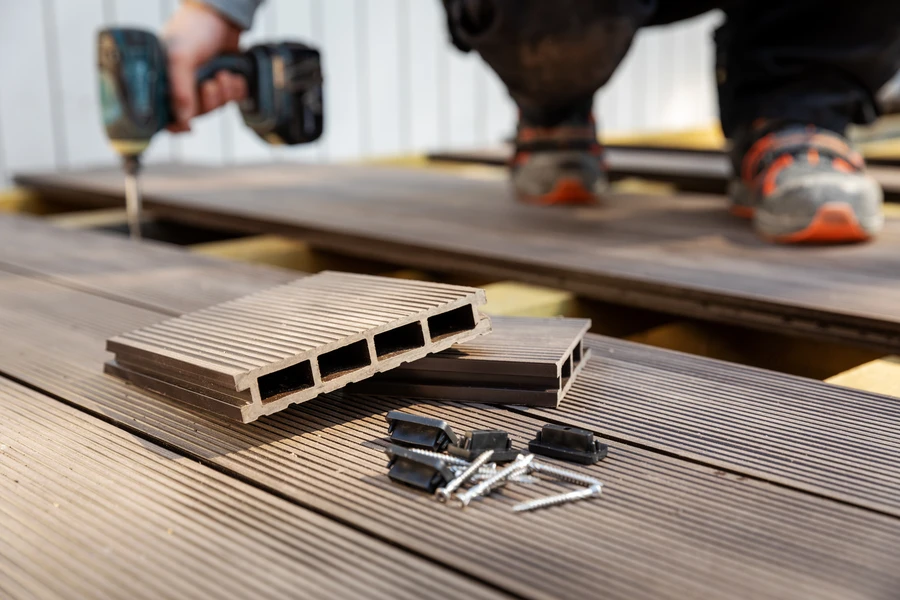
Before any deck refinishing begins, the right tools and materials must be on hand. Skipping this step can slow down the job or lead to uneven results.
- Pressure washer or garden hose with spray nozzle
- Deck cleaner made for wood
- Scrub brush with stiff bristles
- Sander or sanding block
- Exterior wood filler for cracks
- Safety gear like gloves and eye protection
It also helps to check the weather forecast. Dry, mild days are best. Rain or high humidity can affect how the wood dries and how stain soaks in.
Step-by-Step Surface Preparation Process
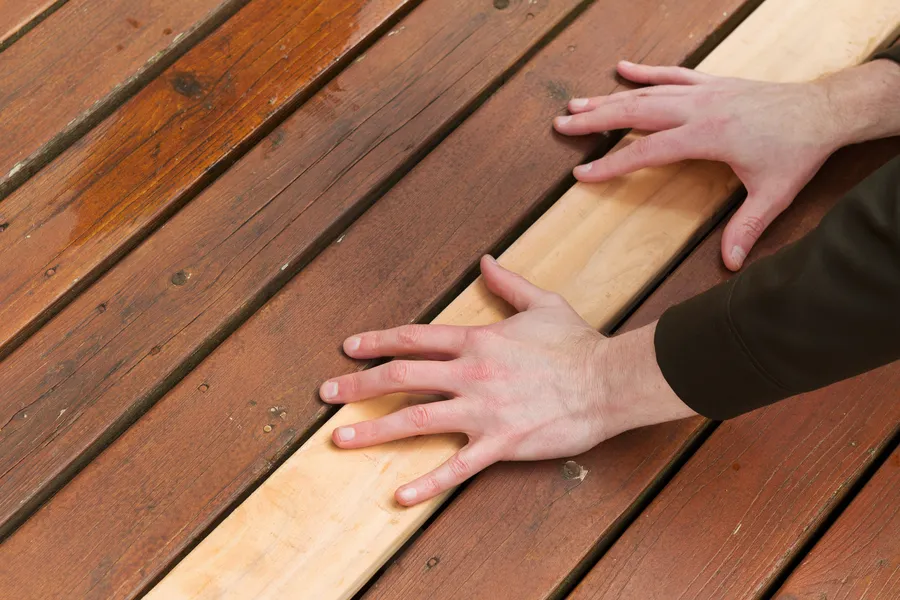
- Clear the deck. Remove furniture, grills, and planters. The entire surface needs to be open.
- Inspect the wood. Builders look for loose boards, popped nails, rot, and deep cracks.
- Make repairs. Damaged boards are replaced. Small cracks are filled. Nails may be reset or replaced with screws.
- Clean the surface. A deck cleaner removes dirt, mold, mildew, and old stain. Many builders use a pressure washer on a low setting to avoid gouging the wood.
- Let it dry fully. Wood must dry for one to two days, depending on weather.
- Sand rough areas. Sanding smooths raised grain and removes leftover stain or splinters.
- Final sweep and check. Dust and debris are removed before stain or sealant is applied.
Each step builds on the one before it. If cleaning is rushed, sanding will not fix trapped dirt. If repairs are skipped, the new finish will not hide damage.
Common Mistakes to Avoid
Many deck problems start with poor prep work. Even small shortcuts can lead to big issues later.
- Using too much pressure when washing and damaging the wood fibers
- Staining damp wood, which traps moisture
- Skipping sanding on high-traffic areas
- Failing to replace rotted boards
- Not protecting nearby plants or siding during cleaning
Another mistake is thinking deck refinishing is only about color. The real goal is to protect the wood from sun, rain, and foot traffic. Surface prep is what allows that protection to bond properly.
When to Call a Professional
Some decks are simple and in good shape. Others have years of buildup, peeling stain, or structural wear. If your deck has soft spots, loose railings, or heavy mold growth, a professional deck builder may be the better choice.
Professionals have commercial equipment and know how to adjust pressure washing levels for different wood types. They can also spot hidden issues that homeowners may miss. This is especially helpful for larger decks or multi-level structures.
If your deck is part of a larger outdoor project, such as , surface preparation becomes even more important. A smooth, even finish helps the entire space look clean and well cared for.
Final Recommendation and Next Steps
If your deck looks faded, rough, or worn, proper preparation is the first step toward lasting deck refinishing results. In Fairfield, CT, weather and seasonal changes can be tough on outdoor wood. At MB Deck and Patio Builder, LLC, we take time to clean, repair, and sand every surface the right way before applying any finish. Our team focuses on solid prep work so the final result holds up over time. Call us at (203) 547-1072 to schedule an inspection or to talk about your deck project today.